

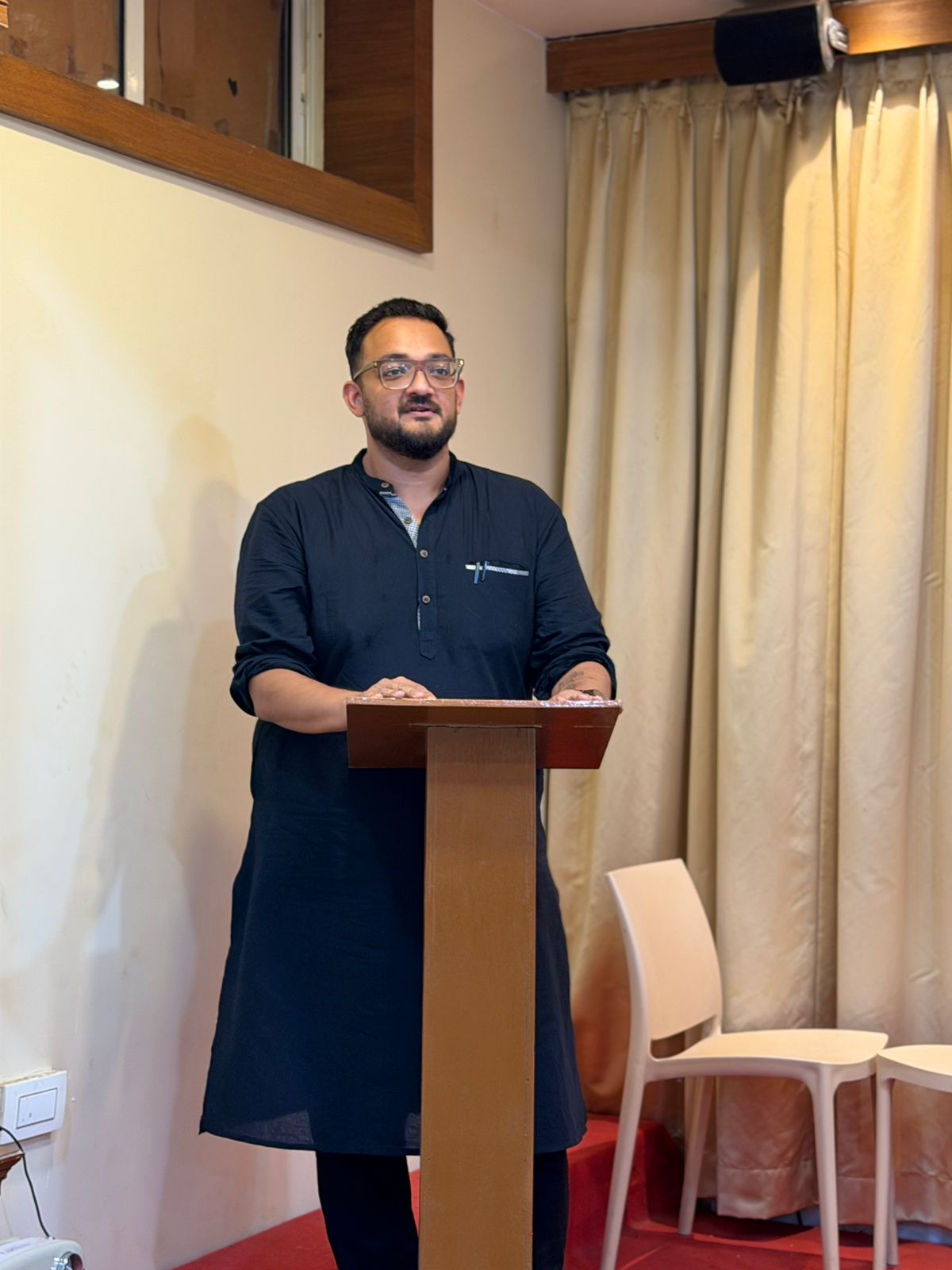
By: Adv. Shashank S. Narvekar, Mapusa Municipal Councillor.
Promotion in public service is far more than an elevation in rank or status. It is an acknowledgment of an officer’s dedication, competence, integrity, experience, and contribution to the institution. It signifies that years of perseverance and professional commitment have been recognised and rewarded. A fair promotional system therefore rests upon two enduring pillars one merit and the other seniority.
Promotion in public service is far more than an elevation in rank or status. It is an acknowledgment of an officer’s dedication, competence, integrity, experience, and contribution to the institution. It signifies that years of perseverance and professional commitment have been recognised and rewarded. A fair promotional system therefore rests upon two enduring pillars one merit and the other seniority.
Merit reflects an officer’s ability, efficiency, leadership qualities, professional accomplishments, and overall suitability for higher responsibility. Seniority, on the other hand, represents experience acquired through years of service, institutional wisdom, and proven commitment to duty. Together, merit and seniority form the foundation of a just and credible promotional process.
The real test of any institution’s commitment to fairness arises when an officer who possesses both merit and seniority is denied promotion, while a junior or even a sub-junior is elevated ahead of him for reasons that remain unclear or unexplained. Such an occurrence can be deeply unsettling, not merely because a promotion has been lost, but because it calls into question the very values that the institution professes to uphold.
For an officer who has devoted decades to public service, maintained an unblemished record, demonstrated professional competence, and discharged responsibilities with sincerity and distinction, supersession can be a profoundly painful experience. The disappointment stems not only from the denial of advancement but from the perception that merit, experience, and integrity have failed to receive their due recognition.
The emotional consequences of such an event are often underestimated. Behind every service record lies a lifetime of sacrifice, long hours of work, personal compromises, difficult assignments, and unwavering dedication to duty. When an officer who has conscientiously fulfilled his obligations finds himself overlooked despite possessing both seniority and merit, feelings of frustration, humiliation, and disillusionment are almost inevitable.
For an officer who has devoted decades to public service, maintained an unblemished record, demonstrated professional competence, and discharged responsibilities with sincerity and distinction, supersession can be a profoundly painful experience. The disappointment stems not only from the denial of advancement but from the perception that merit, experience, and integrity have failed to receive their due recognition.
The emotional consequences of such an event are often underestimated. Behind every service record lies a lifetime of sacrifice, long hours of work, personal compromises, difficult assignments, and unwavering dedication to duty. When an officer who has conscientiously fulfilled his obligations finds himself overlooked despite possessing both seniority and merit, feelings of frustration, humiliation, and disillusionment are almost inevitable.
Perhaps the most distressing aspect of supersession is the absence of clarity. Human beings can often accept adverse decisions when they are accompanied by transparency and reason. What becomes difficult to accept is uncertainty. When an officer is unable to understand why a less experienced subordinate has been preferred despite his own proven credentials, the resulting sense of injustice can be deeply demoralising.
The repercussions extend beyond the individual officer. Promotional decisions are closely observed by every member of an organisation. Employees draw conclusions about institutional values from the manner in which advancement is granted. If merit and seniority appear to yield to unexplained preferences, confidence in the system begins to erode. The perception that dedication and competence are insufficient for career progression can have a corrosive effect on morale, discipline, and organisational efficiency.
A healthy institution must ensure that its promotional processes inspire confidence among those who serve it. Transparency fosters trust. Objectivity reinforces legitimacy. Fairness strengthens institutional credibility. When employees believe that their efforts will be assessed honestly and impartially, they remain motivated to excel and uphold the highest standards of professional conduct.
A healthy institution must ensure that its promotional processes inspire confidence among those who serve it. Transparency fosters trust. Objectivity reinforces legitimacy. Fairness strengthens institutional credibility. When employees believe that their efforts will be assessed honestly and impartially, they remain motivated to excel and uphold the highest standards of professional conduct.
The principles of equality, fairness, and non-arbitrariness occupy a central place in public administration. Every officer is entitled to the assurance that his achievements, experience, and suitability will be evaluated objectively. The legitimacy of a promotional process ultimately depends not merely on the outcome but on the confidence that it has been conducted fairly.
An officer who possesses both merit and seniority may not regard promotion as an entitlement. What he legitimately seeks is recognition of his contribution and a fair assessment of his credentials. When that expectation is defeated without any apparent justification, the resulting disappointment transcends personal grievance. It becomes a matter of institutional concern.
The true measure of an organisation is not how it rewards favour, but how it recognises merit and experience. Institutions command respect when advancement is perceived to be the product of fairness rather than discretion, objectivity rather than preference, and principle rather than expediency.
When merit and seniority stand united in support of an officer, yet promotion eludes him without discernible reason, the resulting wound is not merely professional, it strikes at dignity, morale, and faith in the fairness of the system itself. No institution can afford to disregard such consequences, for the strength of any organisation ultimately lies in the confidence its members repose in its commitment to justice and fairness.
Justice may not always require promotion but fairness invariably requires.
Justice may not always require promotion but fairness invariably requires.

