

By: Adv. Vinayak (Mama) D. Porob
As smart electricity meters are being deployed across India, including Goa, many consumers have reported a noticeable increase in their electricity bills. This has triggered widespread concern and debate. While some believe that smart meters are responsible for higher charges, others argue that the new technology merely records electricity consumption more accurately than older systems. Understanding how smart meters function is essential to evaluating these claims.
Traditional electro-mechanical meters relied on a spinning aluminium disc driven by magnetic fields. The speed of the disc was directly related to the amount of electricity consumed. Over time, however, dust accumulation, worn bearings, and mechanical deterioration often affected the accuracy of these meters, causing them to under-record actual consumption. As a result, some consumers may have been billed for less electricity than they actually used.
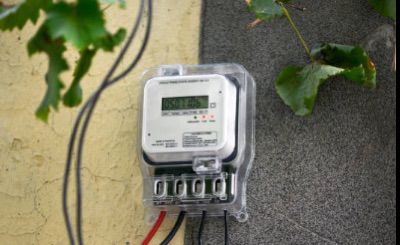
Smart meters operate on an entirely different principle. They are electronic devices that continuously measure voltage and current thousands of times every second and use digital processors to calculate energy consumption. Because they are far more accurate than conventional meters, typically operating within a very low error range (±0.5% to ±1%), they provide a more precise record of actual electricity usage. Importantly, they do not increase electricity consumption; they merely measure it more accurately.
A common concern among consumers is whether the smart meter itself contributes to a higher bill by consuming electricity. While smart meters do require a small amount of power to run their display screens, internal electronics, and communication modules, this auxiliary consumption is generally drawn before the measurement point and is not included in the consumer’s billed usage. Consequently, consumers are not charged for the electricity used by the meter itself.
One of the most significant reasons for an increase in electricity bills following the installation of a smart meter is the transition from an under-recording mechanical meter to a highly accurate digital one. Where older meters failed to capture a portion of actual consumption, smart meters begin recording the full amount from the date of installation. This often creates the impression that electricity usage has increased, when in reality the measurement has simply become more accurate.
Smart meters also enable utilities to implement Time-of-Day (ToD) tariffs. Under such systems, electricity consumed during peak demand hours is billed at a higher rate than electricity used during off-peak periods. As a result, consumers may experience increased bills even when their overall consumption remains unchanged, depending on when they use electricity.
Another important feature of smart meters is their ability to continuously monitor maximum demand. If a consumer’s actual electricity load exceeds the sanctioned load approved by the utility, excess-load charges or penalties may be imposed. Consumers should note that if the connected load exceeds the permissible limit for a single-phase connection, they should apply for a three-phase connection. Smart meters accurately detect excess load usage, which may result in higher charges or penalties. In many cases, consumers mistakenly suspect the meter to be faulty when the increased bill is actually due to excess load being correctly recorded by the smart meter.
This issue, in most cases, remained undetected under older metering systems but becomes immediately visible through smart meter data.
Because smart meters record electrical parameters at very high frequencies, they can also capture short-duration power consumption more effectively than older meters. Appliances such as air conditioners, water heaters, pumps, and other motor-driven equipment often draw substantial power for brief periods. Smart meters are able to record these fluctuations with greater precision, resulting in a more comprehensive measurement of actual usage.
Although smart meters are subject to strict testing and certification standards, they are not entirely immune to defects. Like any electronic device, they can occasionally suffer from manufacturing faults, calibration errors, programming mistakes, or component failures. However, such instances are relatively uncommon and are generally identifiable through independent testing procedures.
Consumers who suspect that their smart meter is recording inaccurately are entitled to seek verification through authorized testing laboratories. If a meter is found to be defective, the electricity provider is required to rectify the problem and make appropriate billing adjustments in accordance with applicable laws and regulations.
In Goa, the recent debate surrounding smart meters has highlighted another important issue. In several cases, the data generated by smart meters has revealed that consumers are drawing more electricity than the sanctioned load permitted under their connection. In such situations, the meter may be functioning correctly while exposing a mismatch between approved load limits and actual usage patterns.
Ultimately, smart meters do not create electricity consumption, nor do they artificially inflate electricity bills. Their purpose is to provide accurate, real-time measurement of electricity usage and enable more efficient management of the power distribution system. Where bills increase after installation, the reasons are usually linked to improved measurement accuracy, tariff structures, demand-based charges, or the identification of previously unrecorded consumption.
For consumers, the real challenge is not the technology itself but understanding what the technology reveals. Smart meters provide a clearer picture of electricity usage than ever before, and that transparency can sometimes produce results that are unexpected but technically accurate.
Disclaimer: The views expressed are personal, intended solely for public awareness, and should not be construed as legal, technical, or professional advice.

