

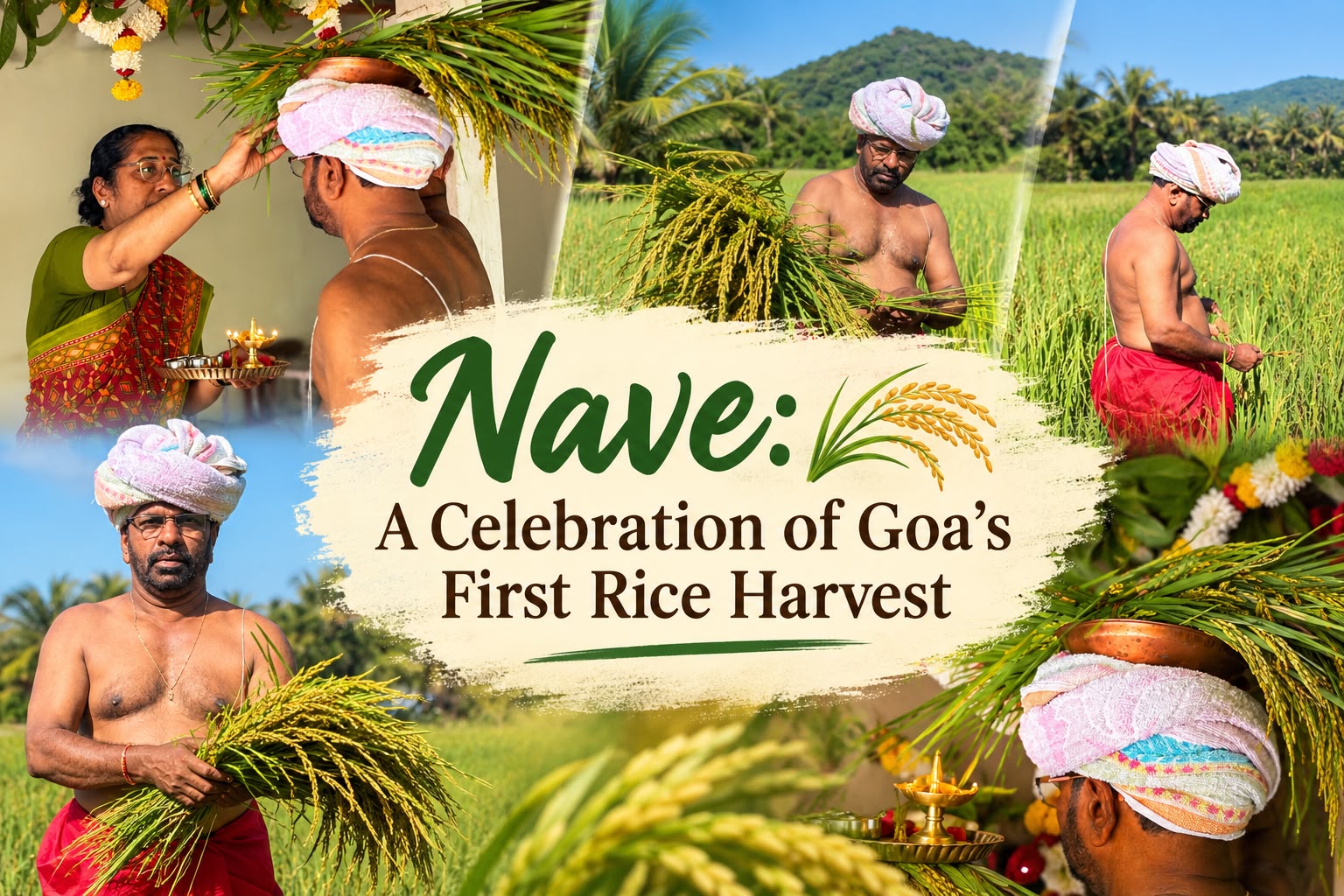
An age-old tradition observed annually by farming families across Canacona
PALolem, CANACONA: As the paddy fields of Canacona turn green and the first grains begin to mature, farming families across the region prepare for an important annual tradition — Nave, also locally referred to as Navi or Nayi. The ceremony marks the harvesting of the first rice crop of the season and is observed with prayers, rituals and gratitude.
For generations, families associated with farming in Canacona have followed this tradition, maintaining a deep connection with the land and the agricultural cycle. Nave is not simply the beginning of the harvest; it is a ceremonial expression of gratitude for the first produce of the soil.
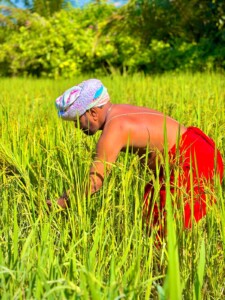
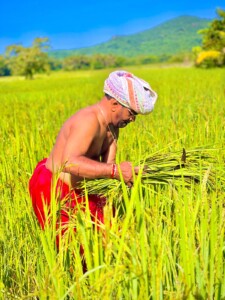
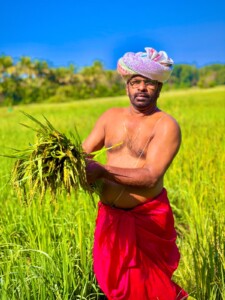
The tradition begins in the paddy field, where the first mature sheaves are ceremonially cut. The first harvest is treated with special reverence, acknowledging the efforts of the farmer as well as the rain, soil and nature that make the crop possible.
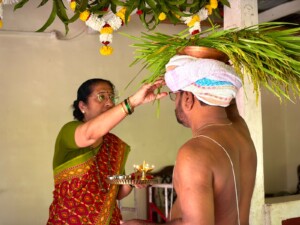
The freshly harvested paddy is then brought home as part of the traditional observance. At the household, prayers and rituals are performed before the new crop is accepted and eventually used as food. The first sheaves are regarded as auspicious and are associated with prosperity, abundance and blessings for the family in the year ahead.
The Bandekar family of Palolem is among the farming families who continue to observe Nave each year. Photographs from their celebration beautifully capture the different stages of the tradition — from entering the paddy field and cutting the first sheaves to bringing the harvest home and performing the customary rituals.
However, the celebration is not limited to the Bandekar family. Across Canacona, families with a connection to agriculture continue to observe this annual custom, making Nave an important part of the region’s living rural heritage.
The ceremony reflects the agricultural identity of Canacona, where paddy cultivation has traditionally been closely woven into village life. The monsoon, the preparation of fields, planting, nurturing of the crop and finally the harvest have long formed an important cycle around which rural communities organised their lives.
At a time when agriculture is facing increasing challenges and traditional farming practices are gradually changing, the continued observance of Nave assumes an even greater cultural significance. It provides an opportunity for younger generations to witness and understand customs handed down by their elders.
The first sheaf of rice thus represents much more than the beginning of a harvest. It represents the farmer’s labour, the generosity of nature, ancestral tradition and the hope for another year of abundance.
Through families such as the Bandekars and numerous other farming households across Canacona, Nave continues to live on — connecting the present generation to the fields, traditions and agricultural heritage of Goa.
For Canacona’s farming families, the message of Nave remains timeless: before enjoying the fruits of the harvest, first give thanks to the land that provided it.

