

Goa, 27 November 2026
A village takes on an empire with a game of cricket. Three friends navigate friendship, heartbreak and the uncertainties of growing up. And a filmmaker turns the camera towards women and realities society often chooses to ignore. Three films with unconventional stories, 2001 was one of the most remarkable years in Hindi cinema.
Lagaan, Dil Chahta Hai and Chandni Bar didn’t just entertain; they challenged conventions, broke new ground and changed the cinematic conversation. While Lagaan celebrated the spirit of rebellion, Dil Chahta Hai captured the mood of a generation, and Chandni Bar brought attention to women and lives often left unseen.
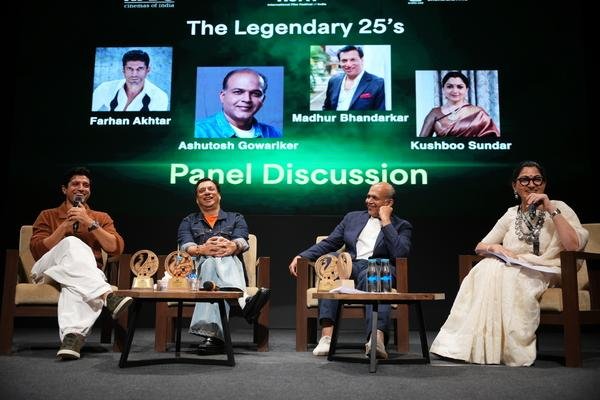
Twenty-five years later, the creative mavericks behind these iconic films—Ashutosh Gowariker, Farhan Akhtar and Madhur Bhandarkar reunited at the 57th International Film Festival of India (IFFI), Goa, for ‘The Legendary 25s’, a session that celebrated films that dared to break the mould and creators who chose to follow their own path.
“AI May Change Filmmaking, But It Cannot Replace the Human Soul”
Championing cinema as a reflection of society, filmmaker Madhur Bhandarkar reiterated his commitment to telling stories drawn from real life, particularly those that bring untold narratives and overlooked realities to the forefront. Recalling the challenges of advocating for female-centric subjects at a time when the industry was hesitant to embrace unconventional portrayals of women, he spoke about how films like Chandni Bar, Corporate and Fashion emerged from his conviction to portray women in all their complexities, vulnerabilities and strengths. “I have always wanted to make films about subjects that people hesitate to talk about or even explore. I am drawn to the stories behind the scenes, the realities that often remain hidden from the public eye. For me, cinema has always been a mirror to society. I would rather explore real life than create an idealised reel life,” he said.
Emphasising the importance of creative courage and conviction, Bhandarkar urged filmmakers to remain true to the stories they believe in rather than be influenced by prevailing industry trends or audience expectations. He also reflected on the growing role of technology in filmmaking, acknowledging that AI and visual effects could open up exciting new dimensions in visual storytelling. However, he firmly maintained that technology could never replace the human element that gives cinema its emotional depth.

“AI and VFX can certainly enhance the visual experience and expand the possibilities of filmmaking, but they can never replace the human touch. Technology can create images, but it cannot replicate human emotions, sensitivity and the emotional connect that breathe life into a character,” he added.
“Every Film Is a Reset to Zero. The Magic of Acting Lies in the Silence Between Words.”
Reflecting on his creative journey, Ashutosh Gowariker described every new film as a “reset to zero”, requiring a fresh perspective, an open mind and the willingness to rediscover the art of storytelling. Highlighting the challenges faced by unconventional cinema, he said, “Anything that is new, different or unconventional needs more time to find its audience. We must not judge a film only by its opening weekend.”
Sharing his insights into the craft of acting, he emphasised the importance of listening, expressions and pauses in bringing a character to life. “For me, a true performance lies in the pauses. Listening is one of the most important qualities of an actor. How an actor listens and reacts to a cue is equally important,” he said.
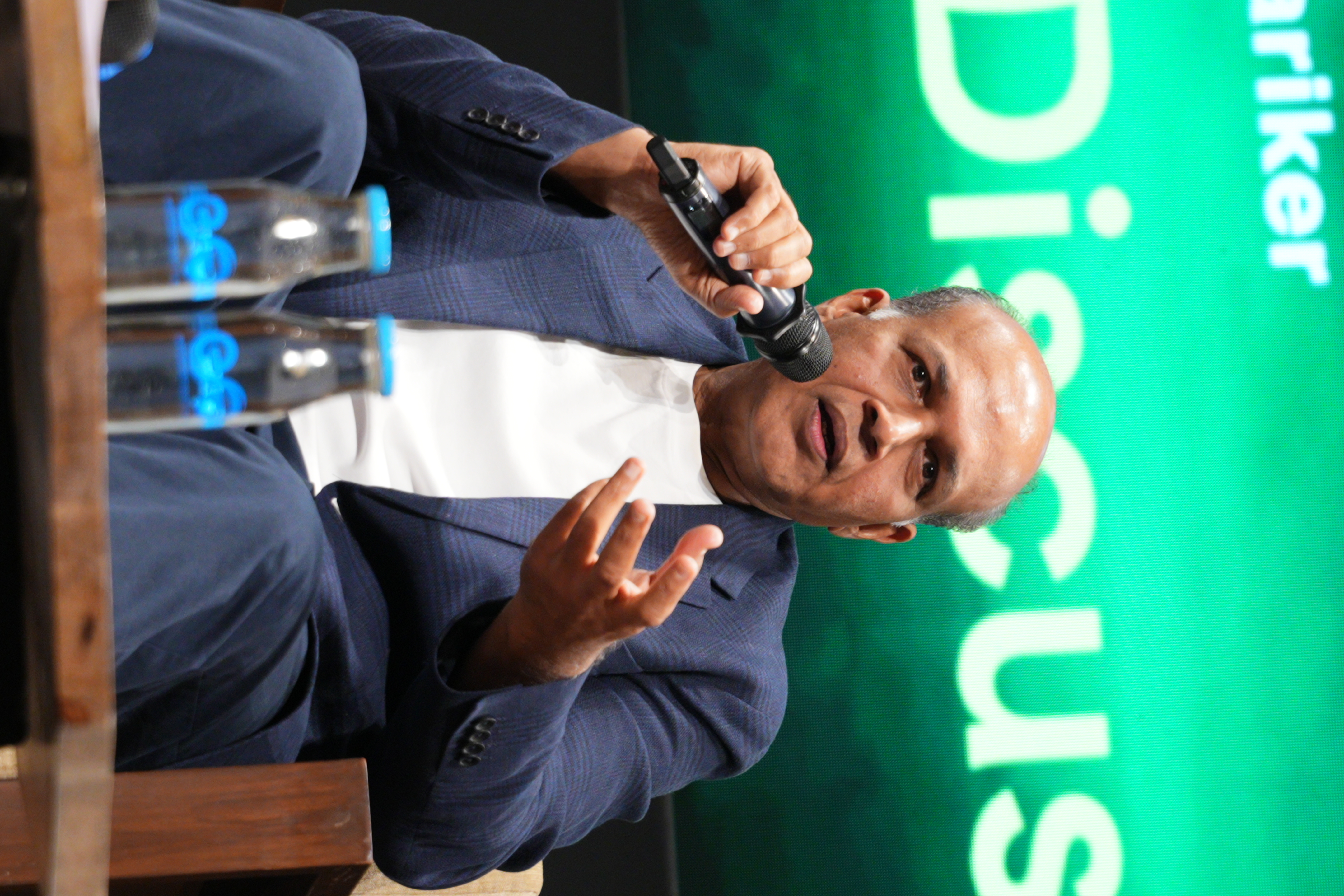
Reiterating that filmmakers should trust their stories rather than presume what audiences want, he stressed the importance of allowing viewers to form their own interpretations.
“Tell Your Story Fearlessly. Leave Your Ego at the Door.”
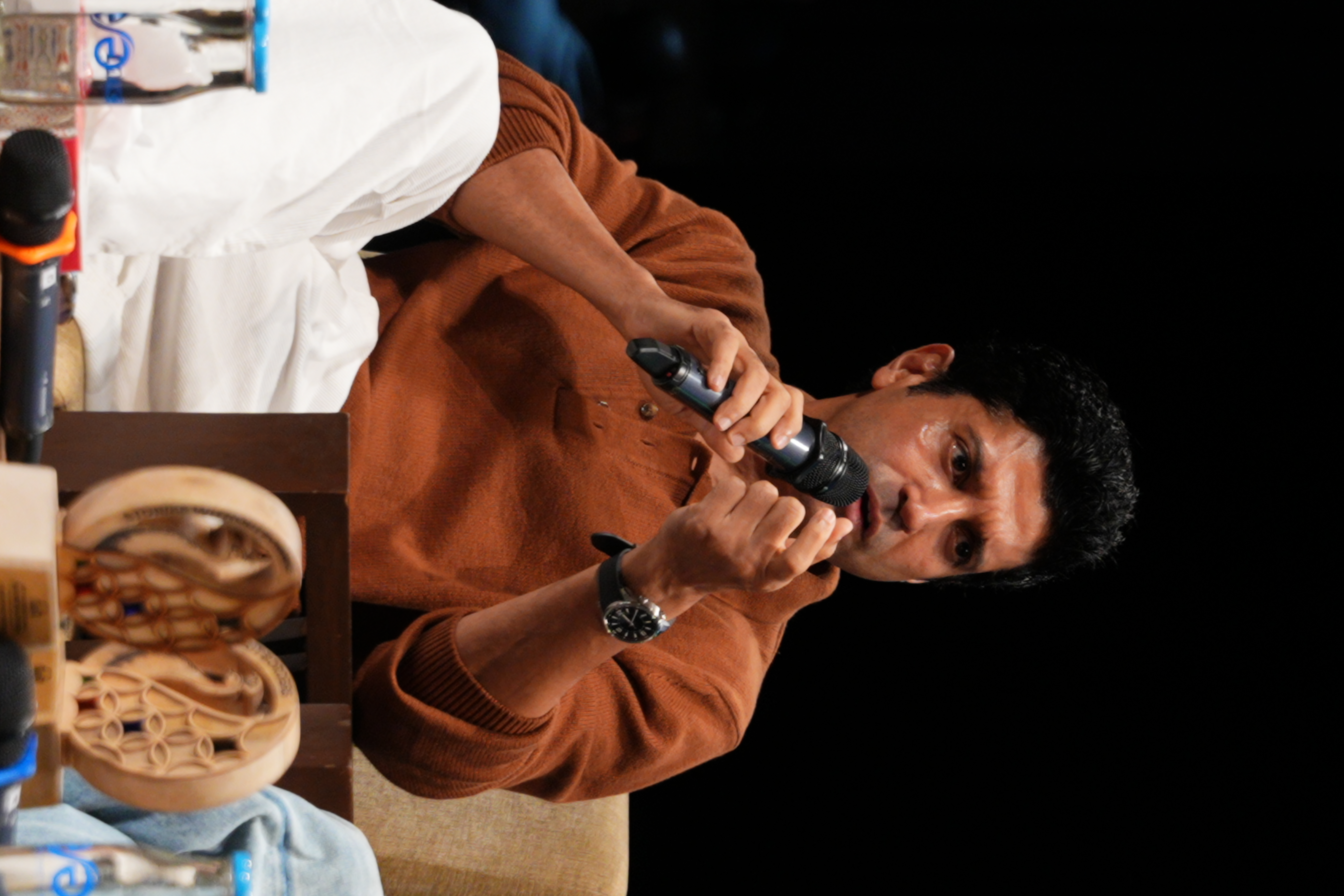
Championing originality and creative fearlessness, Farhan Akhtar urged aspiring filmmakers to trust their instincts and tell stories that reflect their own vision. Emphasising the importance of breaking away from conventional thinking, he said, “A director or writer must keep an open heart and mind, and leave their ego behind. Be fearless, believe in your vision and tell the story you truly want to tell.”
Describing a screenplay as a “living, breathing thing”, Farhan highlighted how a story evolves through the collective imagination of writers, actors and technicians. He stressed that filmmaking is a collaborative process, where setting aside individual egos allows a story to grow and find its true voice. He also cautioned against letting excessive promotions overshadow the essence of cinema, emphasising that meaningful storytelling and a genuine audience connect should always come first.
As the conversation drew to a close, one thought stood out: great cinema is born out of creative courage, original storytelling and the willingness to challenge conventions. Twenty-five years after Lagaan, Dil Chahta Hai and Chandni Bar explored different facets of Indian society and reshaped the cinematic conversation, their creators reaffirmed the enduring power of stories rooted in human experiences.
Echoing the spirit of the 57th International Film Festival of India, under the theme ‘Stories Without Borders’, the discussion highlighted how authentic stories, irrespective of their cultural or geographical origins, can transcend boundaries and resonate with audiences everywhere. As technology continues to transform filmmaking, it is ultimately human emotions, creative conviction and the universality of storytelling that give cinema its enduring appeal.
The session was moderated by acclaimed actor and producer Khushboo Sundar.

