

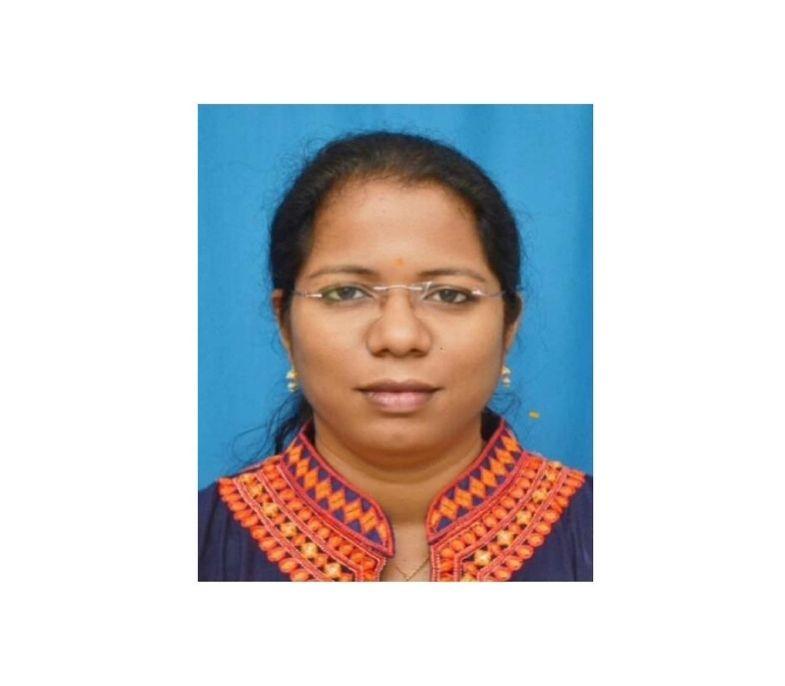
Panaji: Dr Lata Gawade, a daughter of Goan soil, marine scientist, faculty member at Goa University and Visiting Scientist at the Scripps Institution of Oceanography, University of California San Diego (UCSD), has been invited to attend the prestigious Kyoto Prize ceremony in Japan. The invitation follows her contribution to the Kyoto Prize documentary and her research collaboration with renowned marine microbiologist Prof. Azam, the 2026 Kyoto Prize Laureate in Basic Sciences.
Prof. Azam, Distinguished Professor Emeritus at Scripps, has been recognised for his pioneering work in elucidating the role of the microbial loop in marine carbon cycling. The Kyoto Prize, one of the world’s most prestigious international honours, recognises outstanding contributions to science, technology, the arts and philosophy. It is often regarded as equivalent to the Nobel Prize.
During the filming of the Kyoto Prize documentary at UCSD, Dr Gawade played a leading role in recreating key experiments and demonstrating scientific techniques associated with the pioneering era of marine microbiology. These included the thymidine incorporation technique, used to estimate bacterial production, and microscopy-based procedures for visualising and counting bacteria using DNA-specific fluorescent staining.
For Dr Gawade, the experience offered a unique opportunity to connect the historical foundations of marine microbial ecology with contemporary scientific research. The documentary highlights the experimental approaches and discoveries that transformed the understanding of the ocean’s invisible microbial world. It is scheduled to be presented in connection with the Kyoto Prize celebrations in Japan.
Her research at Scripps has also strengthened her vision of connecting international scientific expertise with opportunities in Goa and India. With extensive experience in marine microbiology, biological oceanography and marine biogeochemistry, she sees significant potential for collaboration between Goa University and UCSD through student and faculty exchanges, joint research projects and capacity-building initiatives.
For Goa, this journey carries a message beyond individual recognition. Dr Gawade believes young students should be encouraged to pursue fundamental science, including questions whose practical applications may not be immediately apparent. She emphasises that microorganisms invisible to the naked eye may hold answers to some of the most important questions about our planet.
Her contribution to the Kyoto Prize documentary and invitation to the ceremony represent significant personal milestones and an opportunity to showcase Goa’s scientific contributions. They also serve as an inspiration for the next generation to pursue research with curiosity, dedication and a global outlook.

