

By John Aguiar
New Delhi: In a significant step towards strengthening India’s civil defence preparedness and national security, Civil Defence Master Trainers and volunteers are undergoing training in Indian Army camps to prepare for hostile situations, emergency response, blackout exercises, modern warfare-related challenges and cyber threats. The initiative marks an important development in strengthening coordination between Civil Defence and the Indian Army, combining military training experience with civilian emergency preparedness. 
According to Wing Commander Sandeep Krishnan, Additional Director General (ADG) of Civil Defence, Directorate General of Fire Services, Civil Defence and Home Guards (DGFSCDHG), Ministry of Home Affairs, this is the first time Civil Defence Master Trainers and volunteers are being trained in Indian Army camps in these areas. The initiative aims to equip participants with the knowledge, discipline and practical skills required to respond effectively during security-related emergencies and other challenging situations.
 The initiative assumes greater significance in the wake of Prime Minister Narendra Modi’s announcement on August 15, 2026, during his 80th Independence Day address from the ramparts of the Red Fort. The Prime Minister called for the creation of a “massive, modern” voluntary Civil Defence force to meet emerging security and emergency challenges. He observed that civil defence systems developed to meet the requirements of wars in the previous century had become outdated and needed to evolve to address contemporary crises.
Highlighting the changing nature of warfare, the Prime Minister pointed out that conflicts and security threats are no longer confined to border areas. Critical infrastructure, including data centres, banking systems, factories and refineries, can also be affected during modern conflicts. This changing security environment makes it essential to prepare not only the armed forces and government agencies but also ordinary citizens to respond responsibly during emergencies.
 The proposed modern Civil Defence network is intended to strengthen civilian protection and community preparedness. Its essential functions include first aid, evacuation, search and rescue, disaster response, emergency communications, public awareness and supporting the continuity of essential services during crises. Civil Defence volunteers are not intended to function as a combat military force; their principal role is to protect civilians and support the authorities during emergencies.
The training of Master Trainers and volunteers in Indian Army camps can be viewed as an important step towards translating this broader vision into practical preparedness.
Civil Defence plays a vital role in protecting human lives and supporting civil administration during disasters, hostile situations and emergencies that threaten public safety. Its responsibilities include assisting in the evacuation of affected populations, providing first aid, supporting search-and-rescue operations, helping maintain emergency communication and guiding communities towards safer practices.
 Training in Indian Army camps is expected to familiarise Civil Defence personnel with disciplined operational procedures, coordinated response mechanisms and preparedness under challenging conditions.
Hostile-situation response training can help volunteers understand how to act responsibly when civilian areas face security threats. Blackout exercises can familiarise participants with precautionary measures, public cooperation and coordinated safety procedures when lighting restrictions become necessary. Training related to modern warfare and cyber threats can also improve awareness of emerging risks and the importance of protecting communication systems and essential services.
Such programmes must be supported by regular mock drills, practical demonstrations, updated emergency protocols and coordination among the Army, police, fire and emergency services, health authorities, disaster-management agencies and local administrations.
The training of Civil Defence Master Trainers is particularly important because they can transfer their knowledge and practical experience to other trainers and volunteers in their respective states, districts, towns and communities.
This multiplier effect can help expand the reach of modern Civil Defence training without limiting its benefits to those who directly attend the initial programme. Properly trained volunteers can become an effective link between government agencies and the public, particularly during large-scale emergencies when timely information, discipline, community participation and assistance to vulnerable people are essential.
The larger objective should be to establish a strong and well-coordinated Civil Defence network across the country, supported by trained volunteers, reliable communication systems, suitable equipment and regular exercises.
For Goa, the national initiative offers an opportunity to strengthen its existing Civil Defence network and encourage greater public participation in emergency preparedness.
Former NCC cadets, ex-servicemen, medical professionals, doctors, engineers, technical experts and socially committed citizens can make valuable contributions to Civil Defence. Their experience and specialised skills can support first aid, search and rescue, emergency communication, disaster response, public awareness and volunteer training.
Goa’s Civil Defence authorities can consider expanding recruitment and training programmes, identifying suitable volunteers for specialised courses, and organising regular exercises in coordination with the police, Fire and Emergency Services, health authorities, district administrations and other relevant agencies.
Particular attention should be given to training volunteers in evacuation procedures, basic life support and first aid, emergency communication, crowd management, assistance to senior citizens and persons with disabilities, and the safe handling of disaster-related situations.
The training of Master Trainers can further help ensure that knowledge acquired at national-level training facilities reaches volunteers at the grassroots level.
Prime Minister Modi’s Independence Day announcement underlines the importance of making Civil Defence more responsive to the challenges of the present era. The proposed expansion of the volunteer force, together with exposure to modern training methods and closer coordination with relevant agencies, can help build a more prepared and resilient society.
However, the success of this initiative will depend not merely on the number of volunteers recruited, but also on the quality of their training, the availability of equipment, the clarity of their responsibilities and their ability to work together during actual emergencies.
Civil Defence preparedness is not the responsibility of the armed forces and government agencies alone. Citizens, too, have an important role in understanding emergency procedures, following official instructions, avoiding rumours, communicating responsibly and assisting vulnerable people during crises.
By bringing Civil Defence Master Trainers and volunteers into Indian Army training environments, the initiative represents a significant opportunity to strengthen India’s civilian emergency-response capabilities. It also provides a practical direction for the Prime Minister’s vision of a modern, vibrant and extensive Civil Defence network.
The ultimate objective is clear: every state should have trained and motivated volunteers, effective emergency communication, regular mock exercises and a strong culture of preparedness. A well-prepared citizen is an asset to society, and an organised volunteer network can help save lives when every second matters.
Note: The author is Deputy Divisional Warden Civil Defence, Panaji.
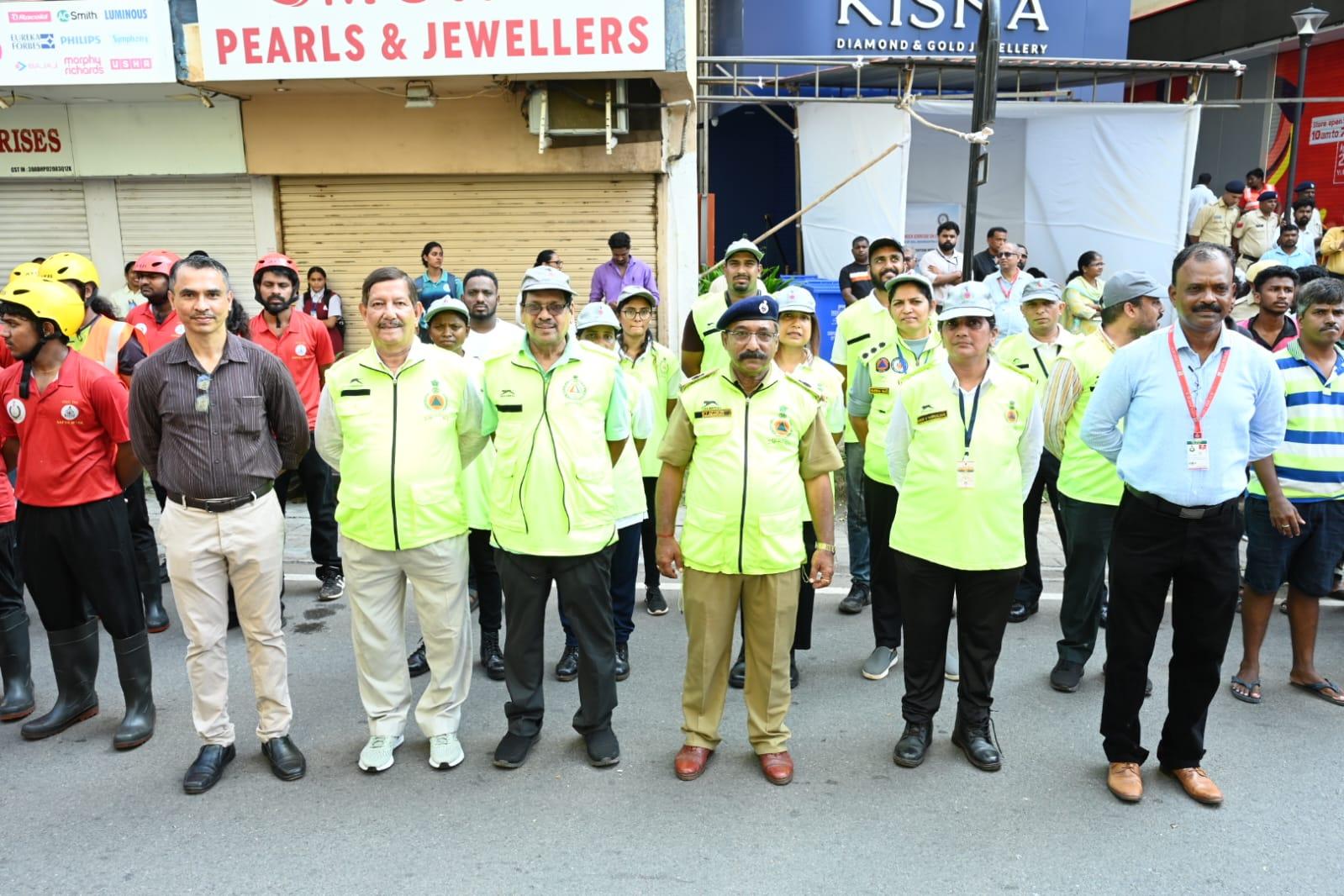
The author is seen with Wg Cdr Sandeep Krishnan (Retd.) presently Assistant Director General Civil Defence in the Directorate of Fire Services, Home Guards and Civil Defence.

