

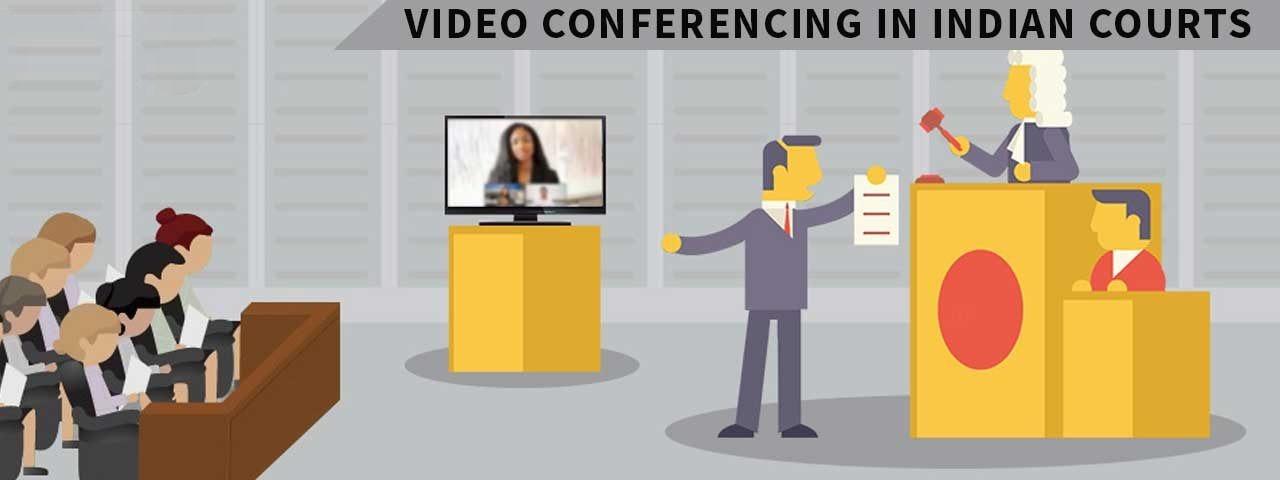
The transition from traditional physical hearings to video-conferencing has brought forward several practical and experiential challenges for advocates practising in trial courts. Virtual platforms have undoubtedly helped maintain continuity of judicial work and are particularly effective for hearings limited to legal arguments, where efficiency and convenience are genuine advantages.
However, the heart of trial advocacy lies in evidence—its recording, assessment, and, most importantly, the effectiveness of cross-examination. This process depends on observing a witness’s demeanour, hesitation, tone, and subtle facial cues. Such nuances often diminish on-screen due to restricted camera angles, audio delays, and the general limitations of digital settings. The solemnity and authenticity that naturally arise in a physical courtroom cannot always be fully replicated in a virtual environment.
Similarly, the dynamics between the Bar and the Bench change significantly online. Advocates respond better when they can perceive the court’s tone and pace directly, and junior lawyers learn invaluable lessons by witnessing live courtroom exchanges—something not easily captured through a screen. Confidential client instructions, especially during crucial evidentiary stages or when the client is in custody, also become difficult to manage without logistical or privacy concerns.
Many practitioners, particularly younger advocates and those from smaller towns, also face practical challenges due to the lack of dedicated digital infrastructure, quiet workspaces, or reliable connectivity—all of which affect their ability to participate meaningfully in virtual proceedings.
Virtual hearings can certainly continue for arguments and non-evidentiary matters. However, trials—where credibility is weighed and rights often hang in the balance—should, as far as possible, remain mandatorily physical. A balanced hybrid approach will preserve both technological progress and the enduring sanctity of the courtroom.
Disclaimer: Written by Adv. Vinayak D. Porob with the assistance of Adv. Baggio P. Monteiro. These views are the writer’s personal opinions based on professional experience, expressed with utmost respect for the judiciary. Nothing stated is intended to amount to contempt or criticism of any court or its administration.

