

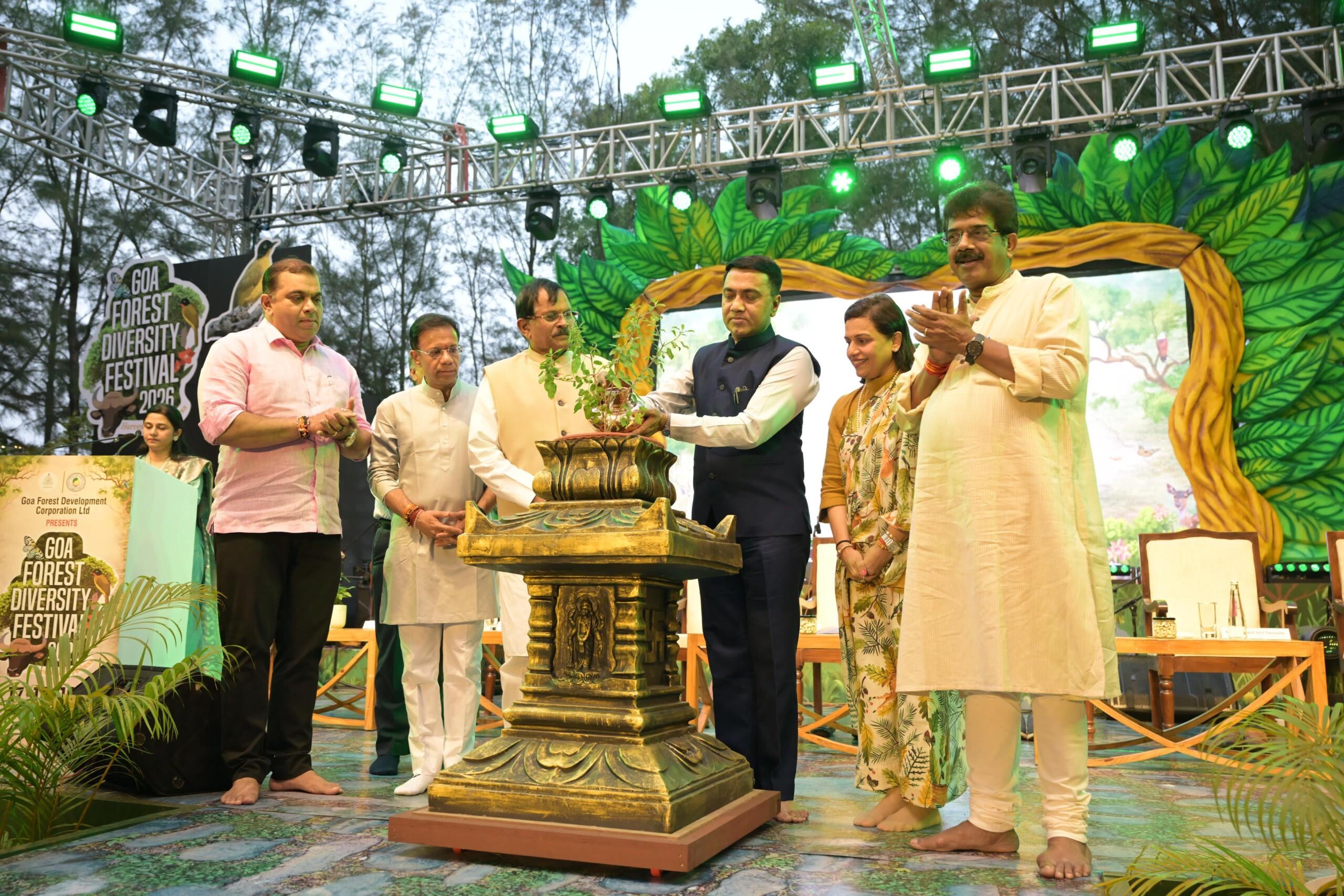
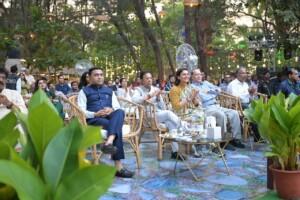
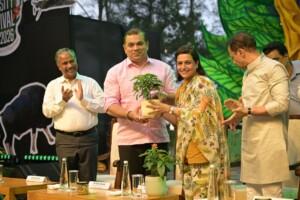
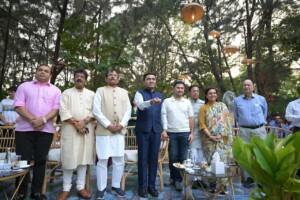
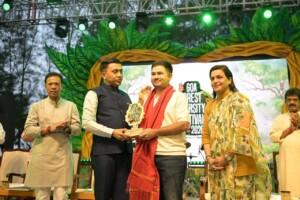
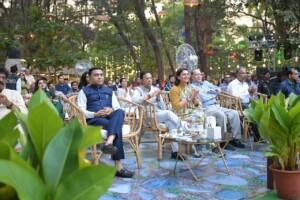
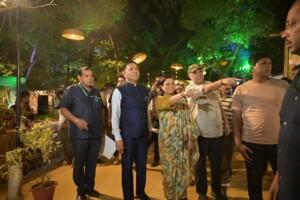
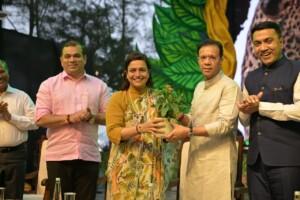
Date: 17 January 2026, Panaji: The Goa Forest Diversity Festival was inaugurated by Chief Minister Dr Pramod Sawant in the presence of Union Minister Shripad Naik, Forest Minister Vishwajit Rane, Tourism Minister Rohan Khaunte, Rajya Sabha MP Sadanand Shet Tanavade, and PCCF Kamal Datta.
The festival is dedicated to the forests of Goa and the communities associated with them, bringing together cultures and age-old traditions that have evolved in harmony with nature over the years. The festival is not merely a celebration; it is a unique experience, a dialogue, and a collective commitment towards understanding and safeguarding Goa’s rich forest biodiversity.
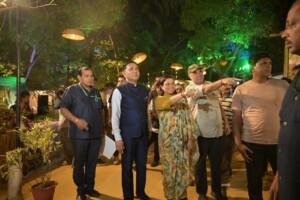
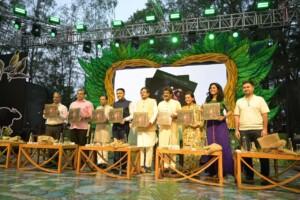
The festival aims to bring forests closer to the people, not just through statistics, but through stories, food, art, performances, and lived experiences.
One of the most distinctive highlights of the festival is the Angon Experience, an immersive traditional space where visitors will witness live demonstrations by Chanekars, Khajekars, traditional coconut craft artisans, clay pottery makers, gardening demonstrations, Kokedama art, and other local art forms that reflect sustainable living practices passed down through generations.
The Forest Kitchen is the soul of the festival, showcasing tribal and traditional cuisine inspired by forest communities and Self-Help Groups. Food, after all, is one of the most powerful ways to understand culture. These recipes reflect seasonality, ecology, and respect for nature, reminding us that sustainability has always been part of our traditional way of life.
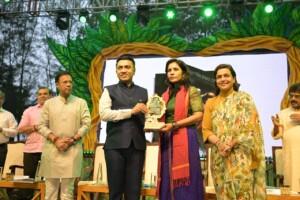
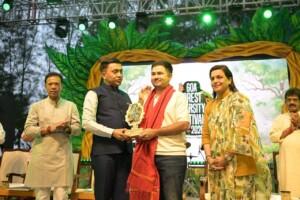
The Green Bazaar is curated with stalls selling eco-friendly products and forest-based goods that support local artisans and sustainable livelihoods. It reinforces the idea that conservation and economic opportunity can coexist and must go hand in hand.
Throughout the festival, visitors will witness a union of culture and conservation. Mhaka Naka Plastic carries a strong green message promoting plastic-free living.
The entertainment at the opening ceremony featured Sonia Shirsat and her orchestra, followed by Morulo Dance, Katti Fugdi, Jagor Act, and a forest-themed light show by Vajra Aigal.
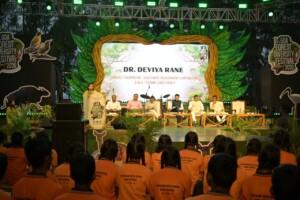
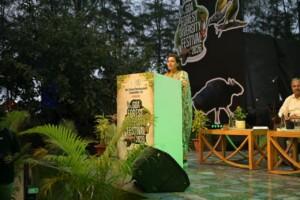
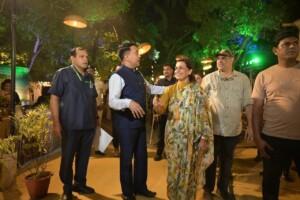
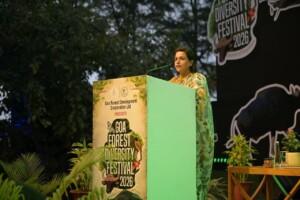
Speaking at the festival, Chairperson Dr Deviya Rane emphasised that it is a unique, one-of-its-kind festival that provides a platform for tribal communities and Self-Help Groups to showcase their forest-inspired cuisine and culture. Through the festival, youth and citizens are being sensitised to critical issues such as plastic pollution, wildlife protection, and sustainable living. Conservation cannot succeed through legislation alone; it requires active community participation.
With this vision, efforts are also underway to create a Mini Forest in the heart of the city, a living, breathing public space where nature, livelihoods, and the community come together. As part of this initiative, 20 festival stalls will be converted into permanent structures, providing a dedicated platform for Self-Help Groups, local artisans, forest-based producers, and eco-entrepreneurs to showcase and sell their products. This space is envisioned not merely as a one-time event, but as a regular weekly or monthly marketplace, enabling sustainable livelihoods, encouraging green entrepreneurship, and bringing citizens closer to nature-driven economies.
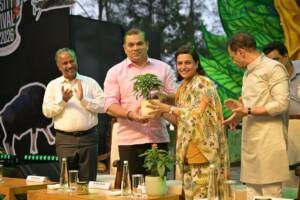
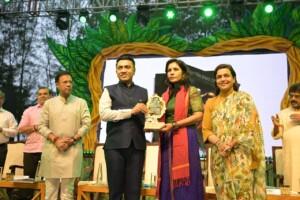
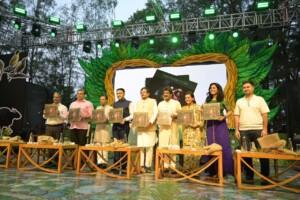
The festival also witnessed the launch of the coffee table book Forest Recipes of Goa – Stories of Tribal Food, a photo essay by Assavri Kulkarni and published by the Goa Forest Development Corporation.
Another highlight of the festival was the release of the wildlife documentary Falling off the Radar – Waterfalls of Goa, directed by acclaimed wildlife photographer and filmmaker Giri Cavale and produced by the StoryLark team.
For further inquiries, kindly reach out to:
Komal Pawar
Head of Communications – Social Media, PR and Events
Office of Dr Deviya Vishwajit Rane
Chairperson, Goa Forest Development Corporation
MLA – Poriem | Government of Goa
+91 7066886321

